
Hardware and Software News
The Evolution of AI Infrastructure: Power Density and Advanced Cooling
Explore how new OCP ORV3 solutions, 48V DC systems, and direct-to-chip liquid cooling are redefining data centers for AI and HPC.
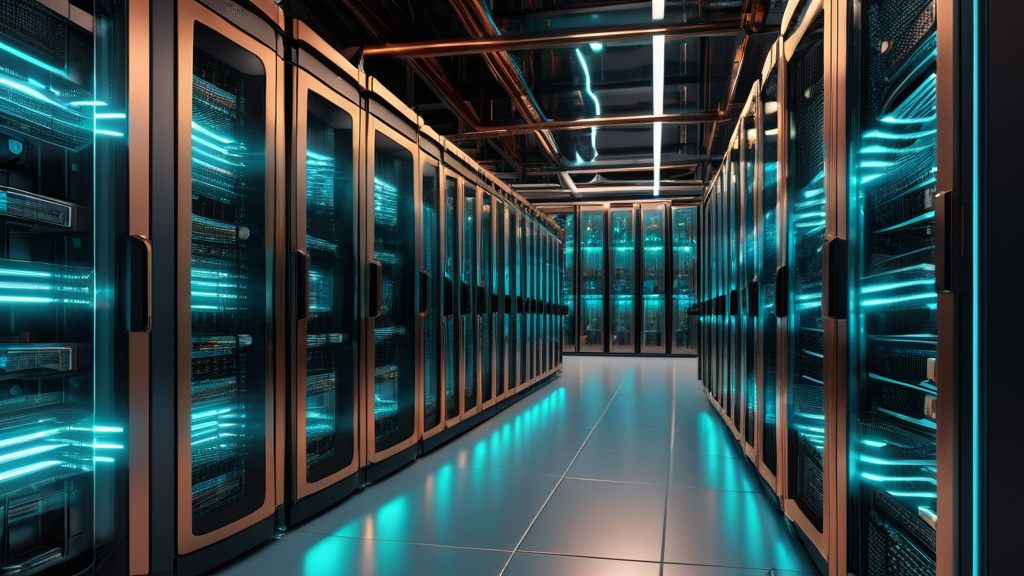
Introduction to the Evolution of AI and HPC Data Centers
The rapid advancement of generative artificial intelligence and High-Performance Computing (HPC) is placing unprecedented demands on the physical foundations of IT infrastructure. It is no longer sufficient to simply add more servers; we must fundamentally rethink how data centers are constructed to handle extreme computational density. Modern computing nodes consume significantly more power than traditional systems, creating critical bottlenecks in three core areas: rack architecture, power distribution, and thermal management.
To support workloads requiring thousands of interconnected GPUs, operators must move beyond standard configurations. The challenge lies in creating an ecosystem where energy flows efficiently without generating excessive heat, while ensuring that the physical layout of components allows for optimal maintenance and scalability. This requires a holistic approach where every component, from cables to busbars, is engineered for maximum power efficiency.
Embracing Open Standards: The OCP ORV3 Solution
In this context, adopting open standards has become a strategic necessity. The OCP Accepted designation of the CPI product represents a major step forward for operators seeking interoperability and reliability. By aligning with the principles of the Open Compute Project, these solutions provide unparalleled flexibility in hardware design.
Versatility is at the heart of the ORV3 solution. The system supports configurations ranging from 44OU to 48OU for 21-inch Open Rack standards, while maintaining compatibility with common 19-inch EIA equipment. This flexibility allows enterprises to tailor the infrastructure to their specific space and density requirements without resorting to closed, proprietary solutions.
Technically, the leap in quality is evident in the 48V DC power shelves. These systems are capable of managing power ranging from 18 kW up to 33 kW per rack. To distribute this energy, high-amperage busbars capable of carrying up to 2500 A are utilized. This shift toward DC distribution reduces conversion losses and simplifies power management on a large scale, eliminating many of the issues associated with traditional AC electronics in high-density racks.
Next-Generation Power Distribution: eConnect PDUs
Evolution does not stop at the rack structure itself. The new eConnect PDUs introduce a critical capability for long-term planning: the 480V Input. This innovation allows for the management of extreme workloads directly at the rack level, reducing cabling complexity and improving electrical distribution efficiency.
For data center operators, having such high power capabilities means they can plan infrastructures capable of hosting next-generation GPUs without having to excessively oversize aisles or technical rooms. The stability provided by these units ensures that the power spikes typical of AI model training do not compromise the integrity of the overall system.
Advanced Thermal Management: RDHx and Direct-to-Chip Cooling
Heat is the primary enemy of density. When compressed air is no longer sufficient, liquid-assisted cooling technologies become indispensable. The CoolStream Rear Door Heat Exchanger (RDHx) serves as a technological bridge, providing effective rack-level cooling through heat exchange with liquid.
However, for the most extreme applications, the solution moves toward direct-to-chip cooling. The ZutaCore HyperCool system represents the vanguard in this field, integrated into the ZetaFrame Cabinet System. It features a waterless two-phase direct-to-chip liquid cooling system that acts directly on critical components.
The waterless approach offers significant advantages: it eliminates risks associated with water management inside data centers, reduces maintenance complexity, and ensures superior thermal efficiency. Managing heat in such a targeted manner allows for maintaining optimal operating temperatures even when chips are running at their maximum performance limits.
Strategic Implications for Infrastructure Deployment
For those managing critical infrastructure, choosing a vendor is not just about technical specifications; it is also about supply chain resilience. US-based manufacturing and deep engineering expertise are determining factors in ensuring that components are available and supported over the long term.
Scalability and flexibility must be the primary drivers of every investment. Rigid infrastructure becomes obsolete within months as new AI models emerge. Adopting standards like OCP and modular cooling technologies allows operators to evolve their hardware fleet without having to rebuild the entire physical structure.
Conclusion and SC26 Event Highlights
The integration of high-voltage power, open standards, and advanced liquid cooling defines the new era of data centers. These technologies are no longer optional; they are fundamental requirements for anyone looking to compete in the AI economy. To explore these solutions further, the SC26 event will provide a detailed overview of Chatsworth Products' innovations in power and cooling for AI and HPC.
Source: Storage Newsletter


Choose a list
Which list should this product go into?
Comments (0)
No comments yet. Be the first to comment.